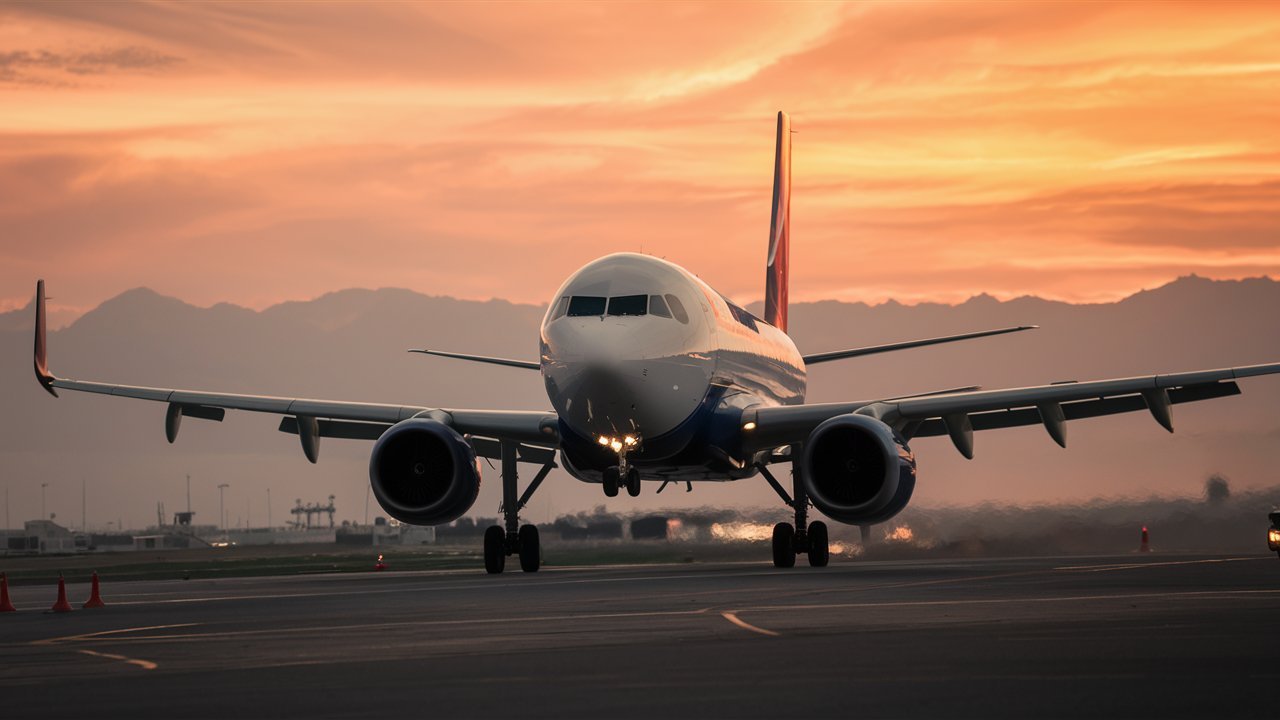
When Delta Flight DL275 was diverted to Los Angeles International Airport (LAX), travelers and aviation observers immediately sought answers regarding the cause, passenger safety, and operational impact. Flight diversions are not uncommon in commercial aviation, but each incident carries unique circumstances that warrant careful examination. In this comprehensive report, we provide a detailed breakdown of the diversion, potential reasons behind it, how airline protocols are activated in such situations, and what passengers can expect when a long-haul or scheduled flight is redirected mid-journey.
The diversion of DL275 to LAX highlights the aviation industry’s emphasis on precaution, safety compliance, and operational coordination. Understanding what happened requires a closer look at airline procedures, air traffic management decisions, and real-time safety assessments that guide such actions.
Overview of Delta Flight DL275
Delta flight dl275 diverted lax is operated by Delta Air Lines, one of the largest global carriers based in the United States. International routes operated by Delta often connect major hubs across continents, and flights like DL275 are typically long-haul services utilizing wide-body aircraft designed for extended travel distances. These flights involve complex logistical coordination, advanced aircraft systems, and carefully structured scheduling.
When a scheduled route is interrupted and diverted to an alternate airport such as Los Angeles International Airport, it signals that flight crews and operations control determined an alternate landing location was necessary to maintain the highest safety standards.
What Does It Mean When a Flight Is Diverted?
A flight diversion occurs when an aircraft changes its planned destination and lands at a different airport than originally scheduled. Diversions are precautionary decisions made for various reasons including mechanical concerns, medical emergencies, severe weather conditions, security issues, or air traffic congestion. In the case of Delta Flight DL275 diverted LAX, the aircraft was rerouted to Los Angeles International Airport rather than continuing to its intended final destination.
Airlines operate under strict federal aviation regulations, and pilots are trained extensively to evaluate conditions in real time. Diversions are not signs of failure but rather evidence of layered safety systems functioning correctly. The decision to divert prioritizes passenger welfare, aircraft integrity, and operational safety.
Possible Causes Behind the DL275 Diversion
While official statements from airlines provide confirmed details, common reasons for diversions like DL275 include the following:
1. Technical or Mechanical Precaution
Aircraft are equipped with advanced monitoring systems that alert crews to irregularities. Even minor mechanical alerts can prompt a diversion to a major airport like LAX, where maintenance teams and specialized equipment are readily available.
2. Medical Emergency Onboard
Long-haul flights carry hundreds of passengers, and medical incidents occasionally occur mid-flight. Diverting to LAX ensures immediate access to emergency medical services and hospital facilities.
3. Weather-Related Factors
Severe weather at the destination airport may make landing unsafe. In such cases, diverting to Los Angeles International Airport provides a safer alternative with extensive runway capacity and advanced navigation systems.
4. Operational or Airspace Restrictions
Unexpected congestion, runway closures, or airspace limitations can also necessitate diversions to nearby hubs.
Regardless of the specific cause, the diversion of Delta Flight DL275 to LAX reflects adherence to strict aviation safety procedures.
Passenger Experience During the DL275 Diversion
For passengers onboard DL275, the diversion likely involved an in-flight announcement from the captain explaining the situation and providing reassurance. Commercial airlines follow structured communication protocols to maintain calm and transparency. Upon landing at LAX, passengers typically remain onboard while ground crews assess the situation, unless deplaning becomes necessary.
If the aircraft requires inspection or crew duty limitations are reached, travelers may be rebooked on alternate flights. Delta Air Lines maintains customer service teams dedicated to re-accommodation, hotel arrangements if required, and onward travel coordination. While delays can be frustrating, passenger safety remains the airline’s top priority.
Why LAX Is a Common Diversion Airport
Los Angeles International Airport (LAX) serves as one of the busiest and most strategically located airports in the United States. Its long runways, extensive maintenance facilities, and international infrastructure make it an ideal diversion point for flights crossing the Pacific or traveling along the West Coast.
LAX offers:
-
Multiple long-haul capable runways
-
Advanced emergency response teams
-
On-site aircraft maintenance resources
-
Extensive passenger rebooking capabilities
-
Direct access to international and domestic connecting flights
These advantages explain why DL275 was diverted to LAX rather than to a smaller regional airport.
Aviation Safety Protocols Activated During Diversions
When a flight diversion occurs, several coordinated actions take place simultaneously. Air traffic control clears priority landing paths, airline operations centers adjust flight tracking systems, and ground crews prepare for arrival. Pilots follow detailed checklists to ensure safe descent and landing procedures.
Safety protocols include:
-
Continuous aircraft system monitoring
-
Communication with airline dispatch
-
Coordination with emergency services if required
-
Passenger safety briefings
-
Post-landing technical inspection
The diversion of Delta Flight DL275 demonstrates how these systems operate seamlessly to protect everyone onboard.
Operational Impact on Delta Air Lines
Diversions create ripple effects within airline scheduling systems. Aircraft rotations, crew assignments, and gate allocations must be recalibrated. For a major carrier like Delta Air Lines, contingency planning allows operations teams to minimize disruption.
While passengers may experience short-term inconvenience, airlines maintain dedicated irregular operations teams to restore normal schedules efficiently. The aviation industry builds redundancy into planning models precisely to handle events such as the DL275 diversion to LAX.
How Passengers Can Respond to Flight Diversions
Travelers affected by diversions should:
-
Monitor airline app notifications
-
Speak directly with gate agents for rebooking options
-
Understand compensation policies
-
Stay informed through official airline statements
-
Maintain travel insurance documentation if applicable
Remaining patient and informed helps ensure smoother resolution when unexpected travel changes occur.
Conclusion
The diversion of Delta Flight DL275 to LAX underscores the aviation industry’s unwavering commitment to safety, coordination, and precautionary action. Flight diversions are deliberate decisions made to protect passengers, crew, and aircraft integrity. Whether triggered by technical alerts, medical emergencies, weather challenges, or operational considerations, each diversion reflects structured safety management at work.
Los Angeles International Airport’s advanced infrastructure makes it a reliable alternative landing destination, ensuring swift response capabilities and minimal long-term disruption. While unexpected changes can inconvenience travelers, the systems activated during events like the DL275 diversion exemplify the reliability and resilience of modern commercial aviation.
Frequently Asked Questions (FAQ)
Why was Delta Flight DL275 diverted to LAX?
Flights are diverted for safety-related reasons such as mechanical checks, medical emergencies, weather issues, or operational constraints.
Was the diversion of DL275 an emergency?
Diversions can be precautionary and do not always indicate a critical emergency. They are proactive safety decisions.
What happens to passengers after a diversion to LAX?
Passengers may remain onboard during inspection or be rebooked on alternate flights depending on the situation.
Is Los Angeles International Airport commonly used for diversions?
Yes, LAX is frequently used due to its extensive facilities, maintenance capabilities, and runway capacity.
Are passengers compensated after a diversion?
Compensation depends on the cause of the diversion and airline policies, but rebooking assistance is typically provided.