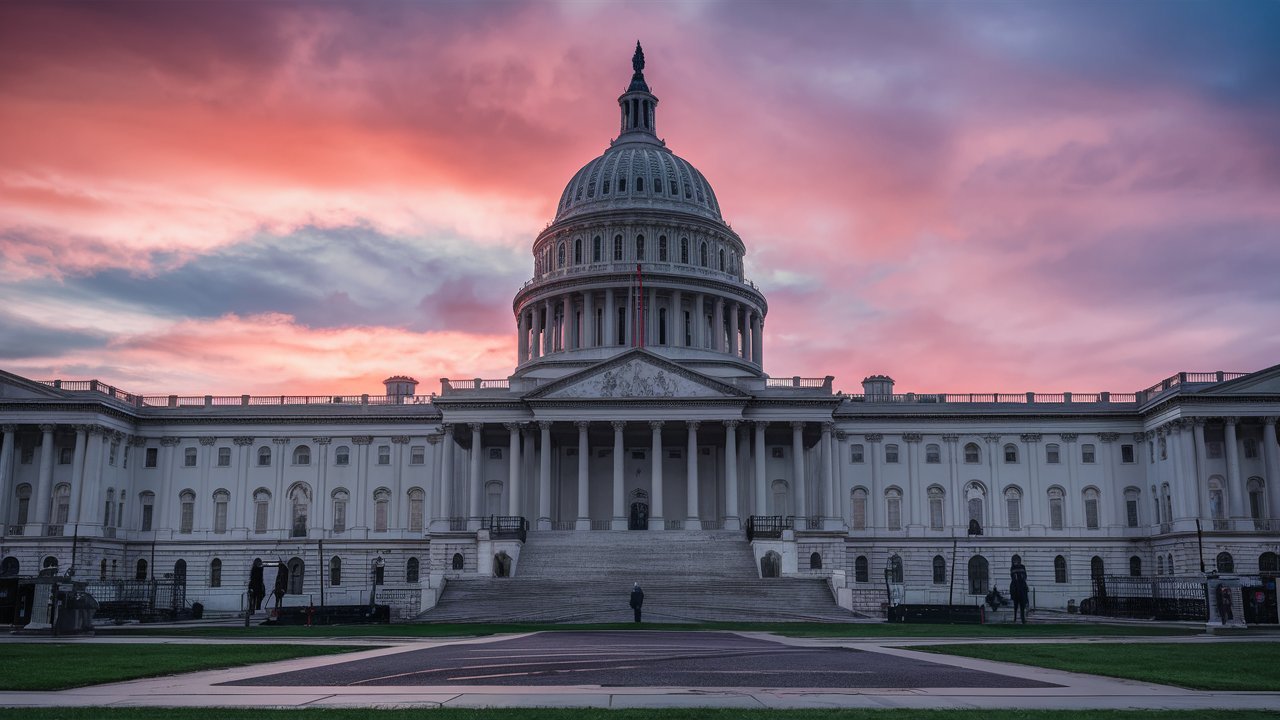
The topic of the Interior Department RBFF grant cancellation has drawn attention from policymakers, conservation advocates, and outdoor recreation organizations across the United States. The U.S. Department of the Interior plays a central role in managing public lands, wildlife programs, and conservation initiatives, and its funding decisions often have ripple effects across state agencies and nonprofit partners. Among these partners is the Recreational Boating & Fishing Foundation (RBFF), an organization dedicated to increasing participation in fishing and boating while promoting aquatic conservation awareness. When grant allocations change or are canceled, the consequences can extend beyond administrative adjustments and into community programs, education efforts, and conservation outreach strategies. Understanding the background, rationale, and implications of this cancellation is essential for stakeholders who rely on consistent funding streams to sustain outdoor recreation initiatives.
Understanding the Role of the Interior Department and RBFF
The U.S. Department of the Interior oversees federal land management agencies, wildlife protection programs, and natural resource stewardship efforts. Its mission includes balancing conservation priorities with public access and sustainable recreation. Through grant programs and cooperative agreements, the department channels funding to organizations that align with national conservation and participation goals. The Recreational Boating & Fishing Foundation, often known for its outreach campaigns promoting outdoor participation, has historically worked to connect Americans with waterways and fisheries resources. By encouraging responsible boating and fishing practices, RBFF initiatives aim to strengthen conservation funding, as increased license purchases and participation can directly support state wildlife agencies.
The partnership between the Interior Department and RBFF has traditionally supported marketing campaigns, educational materials, and digital engagement platforms designed to attract new participants to fishing and boating. A grant cancellation within this framework can disrupt planned initiatives, particularly if funding was earmarked for seasonal campaigns or long-term outreach projects. Such changes require swift adjustments from partner organizations and may alter strategic priorities moving forward.
Reasons Behind the RBFF Grant Cancellation
When examining why the Interior Department canceled the RBFF grant, several possible factors come into consideration, including budget realignment, policy shifts, performance evaluation outcomes, or broader federal funding adjustments. Government agencies periodically reassess grant allocations to ensure compliance with fiscal responsibility standards and evolving administrative priorities. In some cases, cancellations may result from changes in funding legislation, internal audits, or revised performance benchmarks tied to measurable outcomes.
Budgetary scrutiny is a constant component of federal operations, especially when discretionary spending categories are reviewed during appropriations cycles. Conservation and recreation funding often competes with other priorities, and agencies must justify expenditures through documented program effectiveness and alignment with strategic objectives. If a grant does not meet newly defined criteria or if departmental priorities shift, cancellation or restructuring can occur. It is important to note that grant cancellation does not necessarily reflect negatively on the mission of an organization; rather, it may indicate changes in funding mechanisms or oversight frameworks.
Impacts on Fishing and Boating Programs
The RBFF grant cancellation may influence national and state-level fishing and boating outreach campaigns. Marketing initiatives designed to recruit new anglers and boaters rely on sustained financial support to maintain visibility and engagement. When funding is reduced or withdrawn, organizations may need to scale back promotional efforts, reduce advertising placements, or postpone digital platform enhancements.
Outdoor recreation programs often depend on consistent messaging to sustain participation growth. Fishing and boating industries contribute significantly to local economies, supporting equipment manufacturers, marinas, tourism operators, and hospitality services. Reduced outreach funding can indirectly affect these economic ecosystems if participation growth slows. Additionally, state wildlife agencies frequently benefit from increased license sales driven by promotional campaigns, which in turn fund conservation and habitat restoration projects.
The ripple effect of funding adjustments underscores the interconnected nature of recreation, conservation, and economic vitality. Stakeholders must adapt by exploring alternative funding sources, public-private partnerships, or revised outreach strategies to maintain program momentum.
Policy and Oversight Considerations
Federal grant programs operate within regulatory frameworks that emphasize transparency, accountability, and measurable outcomes. The Interior Department’s funding decisions are often shaped by oversight reviews, inspector general reports, or updated compliance standards. When a grant is canceled, it may signal a reassessment of performance metrics or reporting requirements.
Policy implications extend beyond one organization. Funding adjustments can influence how other nonprofits structure proposals and document program effectiveness. The RBFF grant cancellation may encourage increased emphasis on data-driven reporting, diversified funding streams, and stronger alignment with departmental conservation objectives. In the broader context of public administration, such actions highlight the dynamic nature of government funding cycles and the importance of adaptability within nonprofit sectors.
Broader Conservation and Community Implications
Fishing and boating programs do more than promote recreation; they foster environmental stewardship and community engagement. Educational campaigns frequently include messaging about habitat protection, invasive species prevention, and ethical wildlife practices. If funding interruptions affect outreach initiatives, conservation messaging reach may decline temporarily, potentially reducing public awareness of environmental responsibilities.
Community-based events, youth fishing clinics, and beginner boating workshops often rely on grant support for materials, staffing, and promotion. A cancellation can therefore influence grassroots engagement efforts, particularly in underserved communities where access to outdoor recreation opportunities may already be limited. Ensuring continuity of such programs often requires collaboration among state agencies, private sponsors, and local organizations to fill funding gaps.
Future Outlook and Funding Strategies
While a grant cancellation can present short-term challenges, it may also prompt innovation in funding strategy and organizational planning. Diversification of revenue streams, including corporate sponsorships, membership programs, and state-level partnerships, can strengthen financial resilience. Organizations may also refine performance metrics and reporting tools to align more closely with federal expectations, thereby enhancing eligibility for future grants.
The evolving landscape of federal funding emphasizes accountability and measurable impact. Stakeholders in the fishing and boating sector will likely continue engaging with policymakers to advocate for sustained support of participation-driven conservation initiatives. The long-term trajectory will depend on legislative decisions, departmental priorities, and demonstrated program effectiveness.
Conclusion
The Interior Department RBFF grant cancellation represents more than a routine administrative adjustment; it reflects the complexities of federal funding, policy oversight, and conservation priorities. While cancellations can disrupt planned initiatives and outreach efforts, they also highlight the importance of adaptability and diversified funding strategies within nonprofit and recreation sectors. By understanding the broader policy context and economic implications, stakeholders can better navigate funding transitions and continue promoting responsible fishing and boating participation across the United States. As conservation and recreation remain integral to community well-being and environmental stewardship, sustained collaboration among agencies, nonprofits, and local communities will be essential moving forward.
Frequently Asked Questions (FAQ)
What is the RBFF?
The Recreational Boating & Fishing Foundation is a nonprofit organization focused on increasing participation in fishing and boating while supporting conservation awareness.
Why did the Interior Department cancel the RBFF grant?
Grant cancellations may occur due to budget realignments, policy changes, performance evaluations, or revised oversight standards within federal agencies.
How does this cancellation affect fishing and boating programs?
It may influence outreach campaigns, marketing efforts, and community engagement programs that depend on federal funding support.
Does a grant cancellation mean the program will end?
Not necessarily. Organizations often seek alternative funding sources or restructure initiatives to continue operations.
What are the broader implications for conservation funding?
Funding changes can affect outreach effectiveness and revenue streams tied to participation, potentially influencing long-term conservation initiatives.