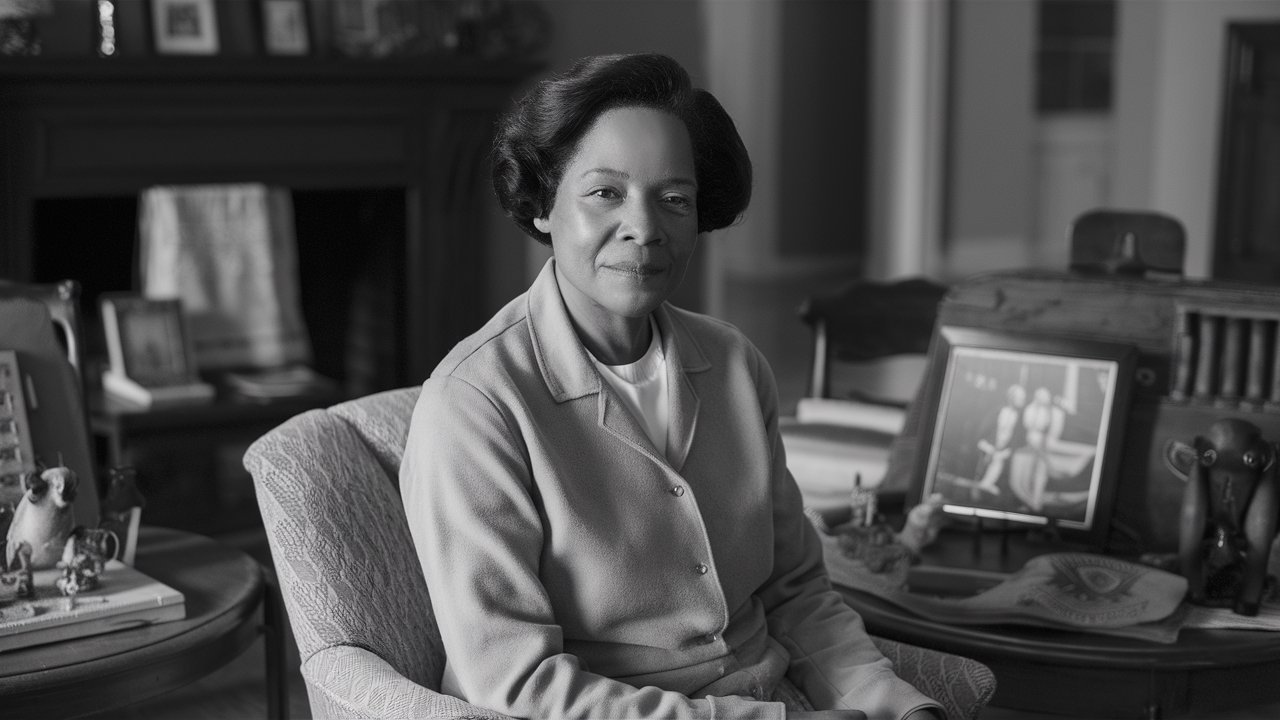
Vivian Burey Marshall is a name that appears most often in genealogical records and historical discussions rather than headlines or popular media. Unlike celebrities or public figures whose lives are widely documented, she represents a category of individuals whose importance lies in family heritage, social context, and historical continuity. We explore her life through the lens of available records, cultural surroundings, and the broader significance of preserving family history in the American South. By doing so, we aim to shed light on a figure whose story reflects the experiences of many women of her era—private, grounded, and deeply connected to family and community.
Early Life and Family Background
The early life of Vivian Burey Marshall is primarily understood through family documentation, census data, and local historical references, rather than personal memoirs or public accounts. She was born into a period when family structure, community ties, and regional identity played a defining role in shaping an individual’s life. Growing up in the southern United States, her upbringing would have been influenced by traditional values, close-knit family relationships, and strong community bonds.
During this era, women often carried the responsibility of maintaining household stability and passing down cultural traditions. Vivian’s early years were likely shaped by these expectations, positioning her as a central figure within her family unit rather than in public life. This background helps us understand why her name continues to surface in family histories despite limited mainstream recognition.
Marriage, Family Life, and Personal Identity
Marriage and family life were pivotal aspects of Vivian Burey Marshall’s identity. Like many women of her generation, her role extended beyond that of an individual to that of a caretaker, organizer, and emotional anchor within her household. Family records suggest that she was deeply embedded in the everyday rhythms of domestic life, contributing to the upbringing of younger generations and supporting extended family members.
Her personal identity cannot be separated from these roles. Rather than public achievements, her legacy is found in the lives she influenced directly—children, relatives, and community members who carried forward the values she embodied. This form of influence, while quiet, is enduring and often more profound than public acclaim.
Historical and Cultural Context
To fully understand Vivian Burey Marshall, we must place her within the historical and cultural framework of her time. Living in the American South during a period of social and economic change, she would have experienced shifts in community life, labor expectations, and family structures. These changes affected everyday living, from access to education to the evolving roles of women in society.
Despite these transformations, many families relied on continuity and tradition. Vivian’s life reflects this balance between change and stability. Her story provides insight into how ordinary individuals navigated broader historical movements while maintaining personal and familial integrity.
Connection to Broader Family Histories
One reason Vivian Burey Marshall continues to attract interest is her connection to larger family narratives that have been explored by historians and genealogists. In family research, individuals like Vivian serve as crucial links that connect generations, allowing descendants to trace lineage, understand migration patterns, and preserve ancestral stories.
Her inclusion in family trees highlights the importance of women in genealogical continuity. Even when their lives were not publicly documented, their presence ensured the transmission of names, traditions, and values across generations. Vivian’s role exemplifies this essential yet often understated contribution.
Why Vivian Burey Marshall Still Matters Today
In an age dominated by digital media and celebrity culture, the story of Vivian Burey Marshall reminds us why ordinary lives deserve attention and respect. Her significance lies not in fame but in representation—she stands for countless individuals whose lives formed the backbone of communities and families.
For researchers, historians, and descendants, her name is a gateway to understanding personal heritage. For readers, her story offers a reflective perspective on how history is built not only by well-known figures but also by those who lived with dedication, resilience, and quiet purpose.
Preserving Legacy Through Research and Memory
The preservation of Vivian Burey Marshall’s legacy depends on continued interest in family history and local records. Genealogical research, oral histories, and archival documentation ensure that names like hers are not lost to time. By acknowledging her life and context, we participate in a broader effort to honor the past with accuracy and respect.
We believe that documenting such lives strengthens our understanding of social history and deepens our appreciation for the individuals who shaped it from behind the scenes.
Conclusion
Vivian Burey Marshall may not be widely known, but her life carries meaningful historical weight. Through family, culture, and continuity, she represents a vital thread in the tapestry of American social history. By exploring her story with care and depth, we reaffirm the value of remembering those whose contributions were personal rather than public, yet no less significant.